GCF hosts Global Conference with Indigenous Peoples
The Green Climate Fund (GCF) opened its first Global Conference with Indigenous Peoples, bringing Indigenous leaders, climate practitioners, policymakers and partners together in Songdo, Republic of Korea, from 8-10 April 2026 for three days of dialogue, learning and co‑creation.
The opening session began with a traditional welcome, blessing participants with rainwater from Cameroon, Korea and Malaysia, along with an Indigenous prayer from Malaysian Borneo, grounding the conference in Indigenous values and a shared sense of purpose.
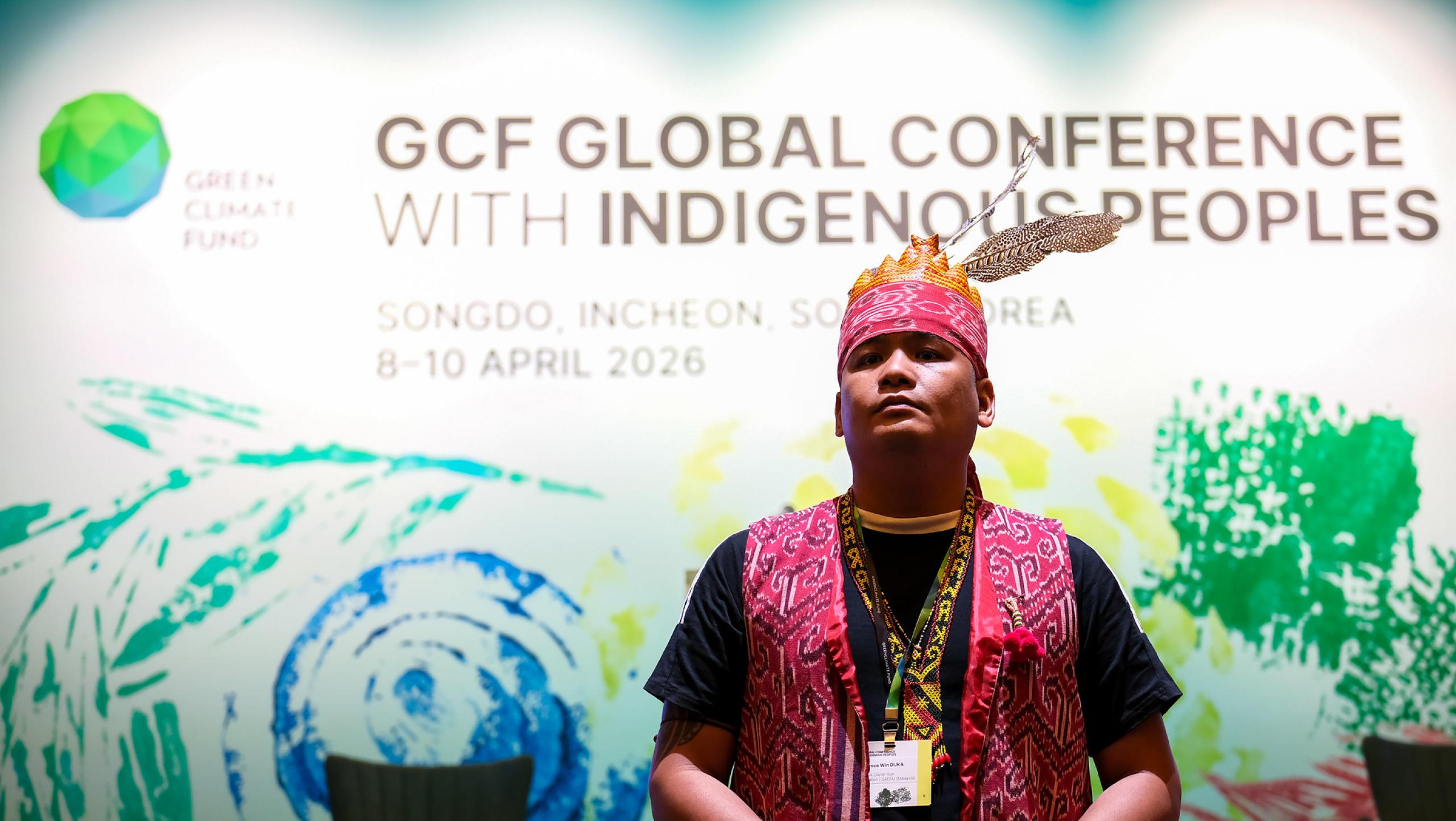
An Indigenous prayer from Malaysian Borneo was part of the conference’s opening session. Photo credit: GCF
In her opening message, GCF Executive Director Mafalda Duarte said the Fund is committed to closing the climate finance gap for Indigenous Peoples, who are among the most effective guardians of the ecosystems the world depends on, yet receive less than 1 per cent of global climate finance.
“Our engagement with Indigenous Peoples dates back to our very first project approved in 2015 to strengthen the resilience of Indigenous communities in the Peruvian Amazon. Today, we see indigenous knowledge increasingly shaping the way GCF designs and delivers its projects. Through our Revised Accreditation Framework, we are opening clearer pathways for Indigenous Peoples’ organisations and the partners they trust to access climate finance and implement GCF-supported programmes. This is a cornerstone of our reform agenda to make the Fund more efficient, more inclusive, and more impactful,” explained Duarte.
“The outcomes of this conference will help guide how we strengthen our Indigenous Peoples Policy and further improve Indigenous Peoples’ access to climate finance,” she added.
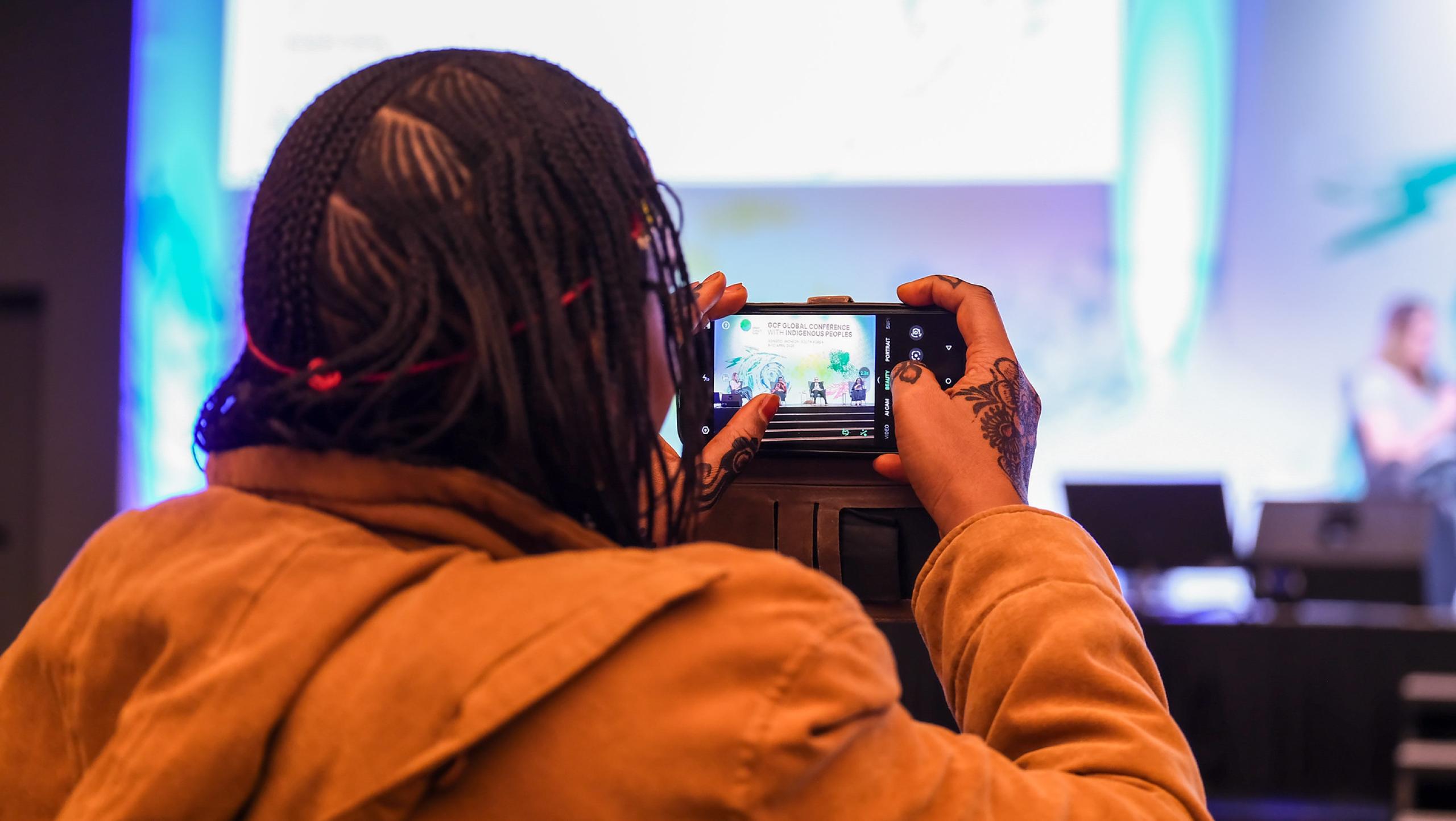
Photo credit: GCF
The significance of Indigenous Peoples’ participation was reflected in messages from Ambassador Andrea Correa do Lago, COP30 President, and Sineia do Vale, Coordinator of the Department of Environmental Land Management and Climate Change at the Indigenous Council of Roraima, as well as in the address by Helen Biangalen-Magata, Chair of GCF’s Indigenous Peoples Advisory Group.
The first day of the conference featured a high‑level plenary on Indigenous Peoples and climate change, with Indigenous leaders, philanthropy representatives, and climate experts underlining how indigenous knowledge systems, territorial governance, and locally led solutions contribute to climate resilience and mitigation.
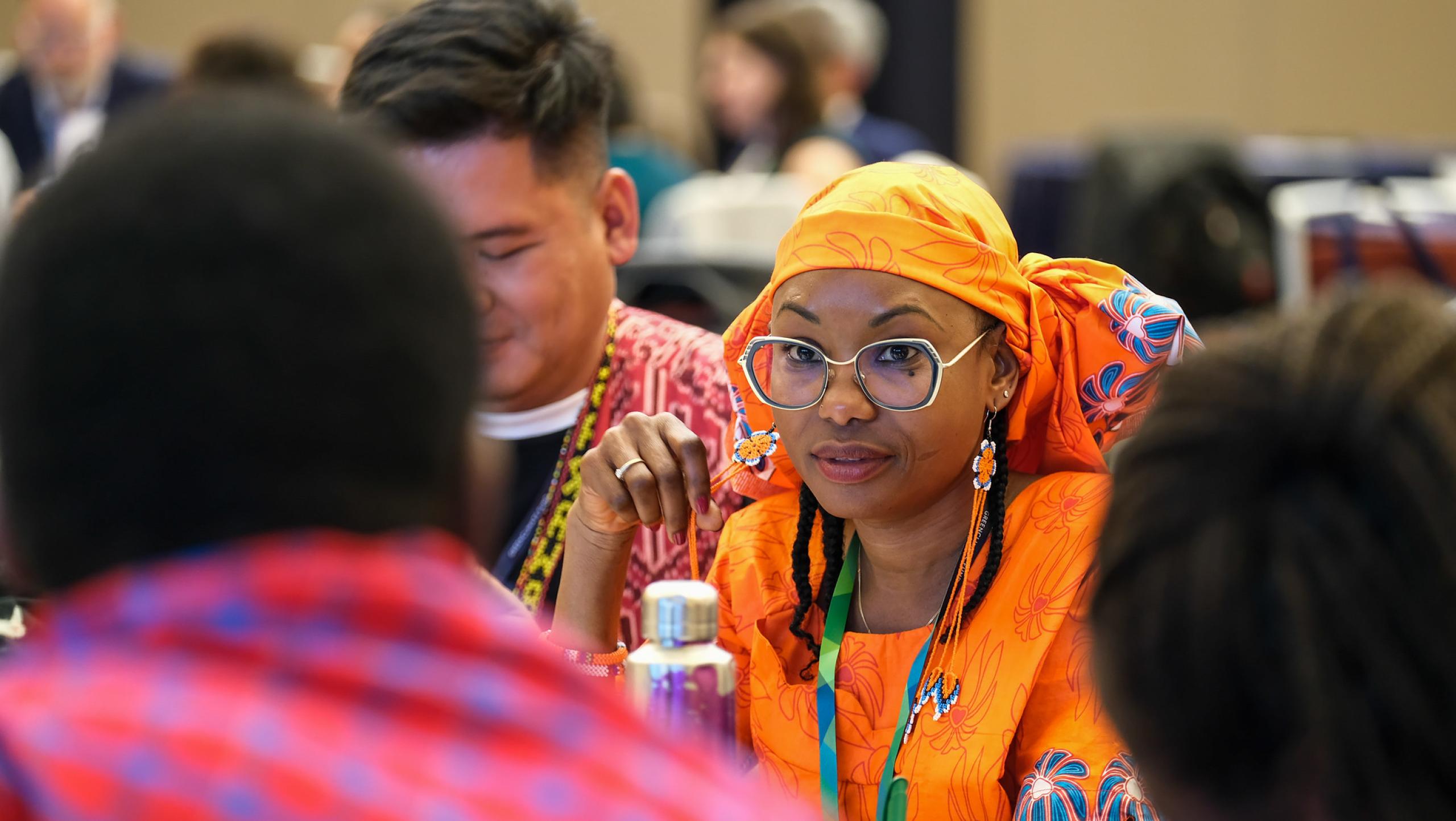
Hindou Oumarou Ibrahim of Mbororo Indigenous People, also Coordinator of the Association des Femmes Peules et des Peuples Autochtones du Tchad during a breakout session on identifying lessons, gaps, and recommendations to strengthen access to climate finance for Indigenous Peoples. Photo credit: GCF
Hindou Oumarou Ibrahim of the Association des Femmes Peules et des Peuples Autochtones du Tchad believes the conference is significant for her people, the Mbororo Indigenous Peoples in Cameroon, Chad, the Central African Republic, Niger, Nigeria and Sudan, and for other Indigenous Peoples across the world.
“This is a timely and strategic platform to move from consultation to implementation. Today’s discussions have shown a shared recognition of the value of Indigenous Peoples’ knowledge and participation. What we need now is a clear modality that ensures direct access to climate finance for Indigenous Peoples. We hope to see GCF make concrete decisions that recognise Indigenous Peoples as true partners not only in accessing climate finance but also in designing and delivering climate action.”
Sessions focused on GCF and Indigenous Peoples, offering participants an overview of GCF’s financing instruments, Readiness support, accreditation pathways and its Indigenous Peoples Policy. Discussions also aimed to unpack lessons from GCF’s Independent Evaluation Unit on the policy and how these insights can strengthen future engagement.
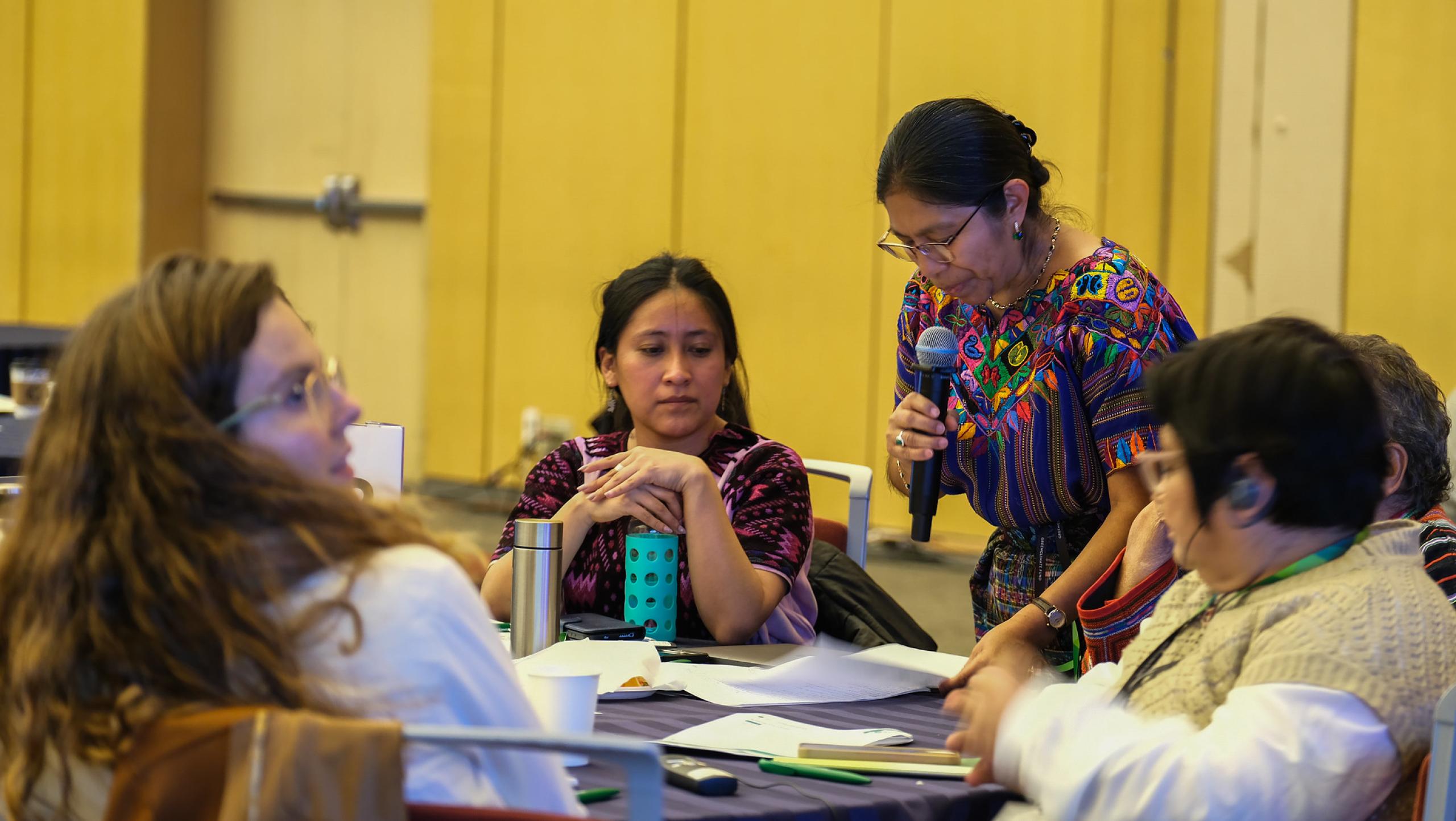
Photo credit: GCF
The three-day agenda created space for participatory dialogue, allowing Indigenous Peoples and GCF partners to share experiences, identify barriers and explore practical pathways to scale up Indigenous‑led climate action. These discussions will inform GCF’s work to develop approaches to advance Indigenous-led climate finance and enhance their access to it.
About 100 participants from Indigenous Peoples’ organisations, National Designated Authorities, Direct and International Accredited Entities, delivery partners and civil society from Argentina, Australia, Belize, Bolivia, Botswana, Brazil, Cameroon, Chad, Colombia, Cook Islands, Ecuador, Germany, Guatemala, Indonesia, Italy, Kenya, Laos, Malaysia, Mexico, Nepal, Nicaragua, Palau, Panama, Paraguay, Peru, Philippines, Singapore, Solomon Islands, Sweden, Tunisia, and the United States attended the conference.
Photos:
Green Climate Fund / Brylle James Galang
Green Climate Fund / Terence Gile